
Capital Diplomacy
How capital earns its place in a market before it asks anything of it.
Cross-border investment between Europe and Asia ought to be straightforward. The strengths are complementary: European institutional capital looking for growth exposure, Asian innovation ecosystems looking for patient and well-connected partners. The logic is sound, and the execution fails anyway, far more often than it does at home. What fails is the approach.
Most cross-border investment runs on a transactional model: find the opportunity, run the diligence, close, and move on. That model works at home, where the context is shared: the same legal frame, the same business customs, the same way of reading what a person means. Across the Europe–Asia corridor those shared assumptions fall away, and a method built on them quietly stops working.
A European investor reading a Korean deep-tech company applies frameworks built for another setting. The financial metrics translate well enough. The founder’s way of communicating, the distance between what is stated and what is intended, the weight of a commitment never written down: these need an interpretation no spreadsheet supplies. Information asymmetry across a border is a structural feature of the situation, and it asks for a different way of working. The same holds in reverse. A Korean company entering Europe often arrives with superior technology and a readiness to execute, into a market that expects it to build trust first.
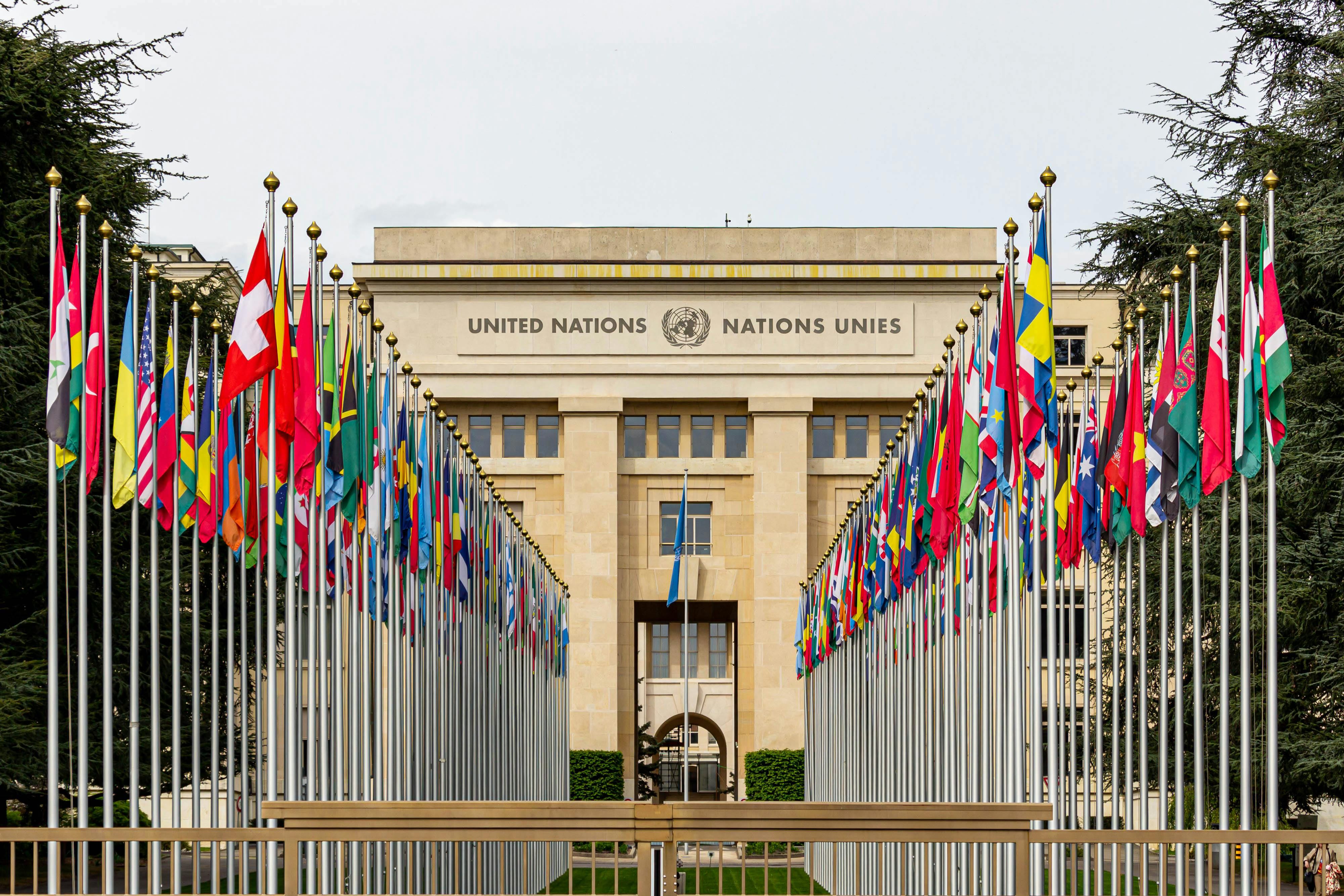
Capital Diplomacy is the name Saint Clair gives to that different way of working. It is how we engage a market: we earn a place in it before we ask anything of it. The name is deliberate. Nations do not conduct their foreign relations through transactions alone; diplomacy exists because sustained presence, cultural fluency, and the patient construction of trust produce what transactions cannot. Cross-border capital behaves the same way. The corridor is where different systems of business and trust meet, and it answers to diplomatic practice more readily than to deal execution.
Three sequences sit underneath the work, and the order in each is the point.
Understanding comes before opportunity. An investor who arrives looking for deals finds transactions, often disappointing ones. An investor who arrives looking to understand the ecosystem, its dynamics and its unwritten rules, finds partnerships.
Relationships come before transactions. Trust across a border is the work of repeated contact, demonstrated commitment, and a willingness to engage before there is anything immediate to gain. It accrues slowly, and it is the price of entry, however uncomfortable that is for capital trained on efficiency.
Facilitation comes before execution. The work that matters is usually translation of context: making sure that what each side believes it has agreed actually matches, and surfacing the assumption that is obvious to one party and invisible to the other.
The single deal matters less than the infrastructure it leaves behind. Durable flows across the corridor rest on networks of relationships, shared practices, and pathways others can follow. Each engagement should strengthen the corridor itself, so the next one moves more easily. An isolated deal, however profitable, leaves little behind.
This is the slower route, and on this corridor it is the one that compounds. Commercial discipline still applies; returns matter, and execution matters. Both sit downstream of something more basic: the conditions in which cross-border collaboration can succeed at all. Capital Diplomacy builds those conditions. Once they hold, there is something worth building on them, and that is the work we call Capital Architecture.
Saint Clair is a cross-border investment firm between Europe and Asia. It designs and builds the infrastructure through which capital crosses borders. Headquartered in Singapore, with offices in Seoul and London. Capital Diplomacy is owned by Saint Clair Pte. Ltd. saintclair.markets