
When Legacy Becomes Liability -- 레거시가 부채가 될 때
Volkswagen’s First German Factory Closure and the Speed Advantage Asian Founders Cannot Ignore - 폭스바겐의 첫 독일 공장 폐쇄와 아시아 창업가들이 놓쳐선 안 될 속도 우위
Saint Clair Market Intelligence | January 2026
88 Years of History Ends: Dresden’s Symbolic Closure
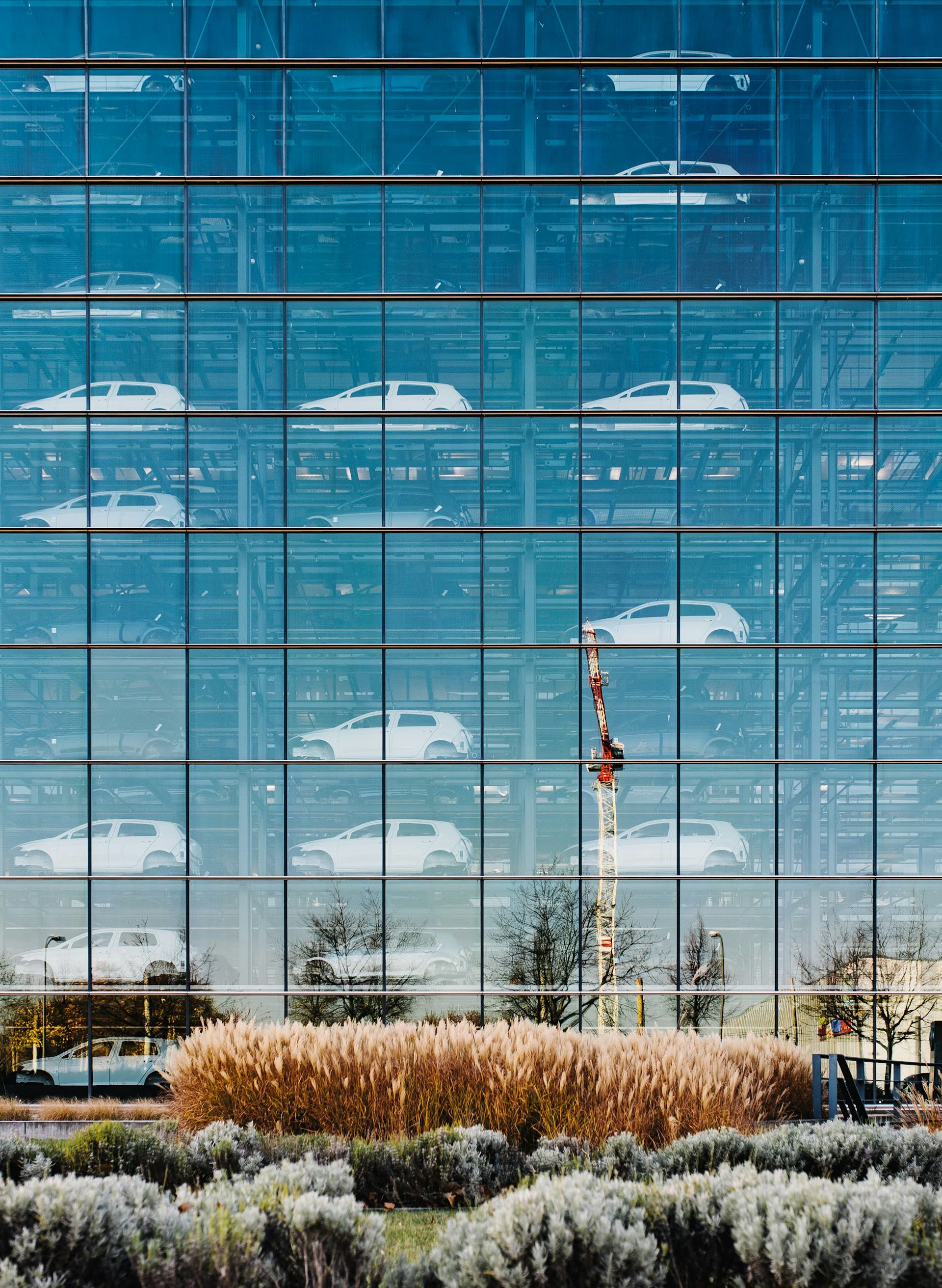
Volkswagen closed its Dresden “Transparent Factory” on 16 December 2025, marking the first shutdown of a German production facility in the automaker’s 88-year history. The plant, which opened in 2002 as a showcase for VW’s engineering capabilities, produced fewer than 200,000 vehicles over its lifetime—less than half the annual output of VW’s main Wolfsburg facility.
The closure is part of a broader restructuring that includes 35,000 job cuts across Germany by 2030 and production capacity reductions of over 730,000 vehicles. VW has committed to €10 billion in cost savings by 2026 to address mounting cash flow pressure. The Dresden site will be repurposed as an AI and robotics research hub in partnership with Dresden University of Technology.
This symbolic closure reflects pressures that have upended Europe’s largest automaker: sales in China—which accounts for 40% of VW’s total sales—declined 7.2% year-on-year in Q3 2025, whilst the company grapples with high energy costs in Germany, slower-than-expected EV adoption, and a €160 billion investment burden. VW’s CFO has warned that net cash flow for 2025 may only be “slightly positive.”
When 18 Months Beats 88 Years: The Structural Speed Gap
The Dresden closure is less about a single low-volume plant and more about what it represents: the difficulty legacy manufacturers face when markets shift faster than organisational structures can adapt. Where VW once defined automotive engineering excellence, Chinese EV makers now set the pace.
BYD registered 70,500 vehicles in Europe during the first half of 2025—a 311% year-on-year increase—whilst VW struggled with aging product lines and excess capacity. Chinese brands collectively grew 91% in Europe over the same period, capturing 5.1% of the market compared to 2.7% a year earlier. BYD now outsells established brands like Suzuki, Mini, and Jeep in monthly European registrations.
The competitive gap is structural, not merely financial. Chinese automakers develop new models in 18 months; legacy manufacturers require 5-7 years. The average age of a Chinese EV model on sale is 1.6 years versus 5.4 years for foreign brands. This speed advantage stems from organisational design: flat hierarchies, rapid iteration based on consumer feedback, and vertical integration from battery chemistry to software. BYD produces its own semiconductors, batteries, and vehicle software—capabilities VW purchases from suppliers.
VW’s Dresden plant exemplified this mismatch. Initially built to showcase the premium Phaeton sedan, it later produced the ID.3 electric hatchback. Both models failed to achieve anticipated sales impact. The facility operated at minimal capacity for years, a visible symbol of corporate inertia—billions invested in showcasing capabilities whilst nimbler competitors captured market share.
The Startup Playbook for Disrupting Established Markets
For Asian founders eyeing European expansion, VW’s struggles offer instructive contrasts. European incumbents carry advantages—brand heritage, engineering reputation, established dealer networks—that new entrants lack. Yet these same assets can become anchors when market conditions change radically.
The investable insight is not that legacy players are doomed, but that speed and market responsiveness now matter more than engineering perfectionism alone. BYD’s European strategy demonstrates this: aggressive pricing, rapid model refreshes, and features designed for local preferences rather than universal standards. The BYD Seal U became Europe’s top-selling plug-in hybrid in June 2025 alongside the VW Tiguan—a Chinese model matching a German stalwart in six months, not six years.
For Korean startups expanding to Europe, the lesson is organisational, not just operational. European markets reward depth and quality, but Asian competitors have proven that “good enough, delivered quickly” can outperform “perfect, delivered slowly.” The karaoke systems in Chinese EVs—features VW would never consider given its premium positioning—resonate with consumers prioritising technology and value over brand legacy.
European investors watching Asian companies enter their markets should note the pattern: vertical integration, rapid iteration, and willingness to design products for specific market needs rather than imposing corporate heritage. BYD established semiconductor production in 2004, battery manufacturing long before entering automotive, and develops vehicle software in-house. This supply chain control enabled the company to scale production by 60% year-on-year in Q1 2025 whilst legacy manufacturers negotiated with component suppliers.
The Dresden closure also signals opportunity. VW’s pivot to an AI and robotics research hub reflects European recognition that manufacturing alone won’t sustain competitiveness. Asian companies with capabilities in software-defined vehicles, autonomous systems, or battery technology may find partnership opportunities as European incumbents seek to accelerate innovation without rebuilding organisational structures from scratch.
The Investable Question: Can Giants Learn to Move Fast?
Corporate inertia is not a European monopoly—it is the natural consequence of scale, success, and structural complexity. What makes the current automotive disruption instructive is how clearly it demonstrates that past advantages can become present liabilities when markets evolve.
VW’s 88-year history in Germany included decades of engineering excellence and market dominance. That same history created organisational layers, supplier relationships, union agreements, and brand positioning that made rapid adaptation extraordinarily difficult. When BYD entered European markets, it brought none of that baggage—only focus on electric powertrains, vertical integration, and speed.
For founders, the takeaway is strategic clarity. Companies expanding across borders face a choice: adapt to local market expectations or design products specifically for those markets from the ground up. VW attempted the former—applying its engineering heritage to new powertrains. Chinese entrants chose the latter—building organisations designed for electric vehicles without legacy combustion engine divisions to protect.
The speed advantage Chinese manufacturers demonstrate is not merely about faster product development cycles. It reflects organisational design: fewer approval layers, tighter integration between design and manufacturing, and willingness to iterate based on market feedback rather than pursuing perfection before launch. Legacy manufacturers redesign vehicles every five years; Chinese competitors refresh products annually.
This bears watching for Asian companies eyeing European opportunities: market entry timing matters less than organisational readiness to learn and adapt quickly. European consumers will reward quality and reliability, but increasingly they also expect technological sophistication and competitive pricing—areas where agile new entrants have proven they can compete.
The Dresden closure marks the end of an era, but not necessarily the industry. VW’s pivot to research and AI development suggests European manufacturers understand the future lies in software and intelligence, not just mechanical engineering. Whether they can transform organisational structures fast enough to compete remains the investable question.
레거시가 부채가 될 때: 폭스바겐의 첫 독일 공장 폐쇄와 아시아 창업가들이 놓쳐선 안 될 속도 우위
88년 역사의 종말: 드레스덴 공장 폐쇄의 상징성
폭스바겐은 2025년 12월 16일 드레스덴 “투명 공장(Transparent Factory)“을 폐쇄했습니다. 이는 88년 역사상 처음으로 독일 내 생산 시설을 닫는 역사적 순간이었습니다. 2002년 폭스바겐의 엔지니어링 역량을 보여주는 쇼케이스로 문을 연 이 공장은 20년 넘는 운영 기간 동안 20만 대가 채 안 되는 차량을 생산했습니다. 본사인 볼프스부르크 공장 연간 생산량의 절반에도 못 미치는 수치입니다.
이번 폐쇄는 2030년까지 독일 전역에서 3만5천 명의 인력 감축과 73만 대 이상의 생산 능력 축소를 포함하는 광범위한 구조조정의 일환입니다. 폭스바겐은 현금 흐름 압박에 대응하기 위해 2026년까지 100억 유로의 비용 절감을 약속했습니다. 드레스덴 공장은 드레스덴 공과대학과의 파트너십을 통해 AI 및 로봇공학 연구 허브로 재탄생할 예정입니다.
이 상징적 폐쇄는 유럽 최대 자동차 제조업체를 뒤흔든 압박을 반영합니다. 폭스바겐 전체 매출의 40%를 차지하는 중국 시장 판매가 2025년 3분기 전년 대비 7.2% 감소했고, 동시에 독일의 높은 에너지 비용, 예상보다 더딘 전기차 전환, 1,600억 유로의 투자 부담과 씨름하고 있습니다. 폭스바겐 CFO는 2025년 순현금흐름이 간신히 플러스를 기록하는 수준에 그칠 것으로 전망했습니다.
18개월이 88년을 이기는 시대: 구조적 속도 격차
드레스덴 공장 폐쇄가 중요한 이유는 소량 생산 시설 하나가 문을 닫았다는 사실 자체가 아닙니다. 시장이 조직 구조보다 빠르게 변화할 때 레거시 제조업체가 직면하는 근본적 어려움을 보여주기 때문입니다. 폭스바겐이 한때 자동차 엔지니어링 우수성을 정의했다면, 이제는 중국 전기차 제조업체들이 속도를 설정하고 있습니다.
BYD는 2025년 상반기 유럽에서 7만500대를 등록했습니다. 전년 대비 311% 증가한 놀라운 수치입니다. 같은 기간 폭스바겐은 노후화된 제품 라인과 과잉 생산 능력으로 고전했습니다. 중국 브랜드들은 유럽에서 총 91% 성장하며 시장 점유율을 1년 전 2.7%에서 5.1%로 끌어올렸습니다. BYD는 이제 스즈키, 미니, 지프 같은 기존 브랜드들을 유럽 월간 등록에서 앞섭니다.
경쟁 격차는 재무가 아니라 구조에서 비롯됩니다. 중국 자동차 제조업체들은 신차 개발에 18개월이 걸립니다. 레거시 제조업체들은 5~7년이 필요합니다. 중국 전기차 모델의 평균 연식은 1.6년, 외국 브랜드는 5.4년입니다. 이 속도 차이를 만드는 건 조직 설계입니다. 수평적 위계, 소비자 피드백 기반의 빠른 반복, 배터리 화학부터 소프트웨어까지 아우르는 수직 통합이 핵심이죠. BYD는 반도체, 배터리, 차량 소프트웨어를 자체 생산합니다. 폭스바겐이 공급업체에서 구매하는 역량들을 말입니다.
폭스바겐 드레스덴 공장은 이런 불일치를 상징적으로 보여줍니다. 처음에는 프리미엄 파에톤 세단을 선보이기 위해 지어졌고, 나중에는 ID.3 전기 해치백을 생산했습니다. 두 모델 모두 기대했던 판매 성과를 내지 못했습니다. 더 민첩한 경쟁자들이 시장 점유율을 차지하는 동안, 이 시설은 수년간 최소 가동률로 운영되며 역량 과시에 수십억을 쏟아부은 기업 관성의 가시적 증거가 되었습니다.
기존 시장을 뒤흔드는 스타트업의 전략
유럽 진출을 계획하는 아시아 창업가들에게 폭스바겐의 어려움은 유익한 대조를 보여줍니다. 유럽 기존 업체들은 브랜드 유산, 엔지니어링 명성, 확립된 딜러 네트워크 같은 신규 진입자들이 없는 장점을 가지고 있습니다. 하지만 시장 상황이 급격히 변화할 때 이런 자산들이 오히려 발목을 잡을 수 있습니다.
투자 관점에서 핵심 인사이트는 레거시 기업이 망할 운명이라는 게 아닙니다. 속도와 시장 대응력이 이제 엔지니어링 완벽주의만큼, 어쩌면 그 이상으로 중요해졌다는 것입니다. BYD의 유럽 전략을 보면 알 수 있습니다. 공격적인 가격 정책, 빠른 모델 업데이트, 보편적 표준이 아닌 현지 선호에 맞춘 기능 구성이 핵심입니다. BYD Seal U는 2025년 6월 폭스바겐 티구안과 함께 유럽 최고 판매 플러그인 하이브리드가 되었습니다. 중국 모델이 6년이 아닌 6개월 만에 독일 주력 모델과 나란히 선 것입니다.
유럽으로 진출하는 한국 스타트업들이 얻을 교훈은 운영보다는 조직에 있습니다. 유럽 시장은 깊이와 품질을 중시합니다. 하지만 아시아 경쟁자들은 증명했습니다. “충분히 좋은 것을 빠르게 내놓는” 전략이 “완벽한 것을 느리게 만드는” 접근을 이길 수 있다는 것을요. 중국 전기차의 노래방 시스템을 보세요. 폭스바겐이 프리미엄 포지셔닝 때문에 절대 고려하지 않을 기능입니다. 하지만 브랜드 유산보다 기술과 가치를 우선하는 소비자들에게 어필하고 있습니다.
아시아 기업의 유럽 진입을 지켜보는 투자자들이 주목해야 할 패턴이 있습니다. 수직 통합, 빠른 반복, 그리고 기업 유산을 강요하기보다는 특정 시장의 요구에 맞춰 제품을 설계하는 접근법입니다. BYD는 2004년 반도체 생산을 시작했고, 자동차 사업 진출 훨씬 전부터 배터리를 만들었으며, 차량 소프트웨어를 자체 개발합니다. 이런 공급망 통제 덕분에 레거시 제조업체들이 부품 공급업체와 협상하는 동안, 2025년 1분기 생산을 전년 대비 60% 늘릴 수 있었습니다.
드레스덴 폐쇄는 기회이기도 합니다. AI와 로봇공학 연구 허브로의 전환은 제조만으로는 경쟁력을 유지할 수 없다는 유럽의 각성을 보여줍니다. 소프트웨어 정의 차량, 자율주행 시스템, 배터리 기술에 강점이 있는 아시아 기업들은 파트너십 기회를 발견할 수 있습니다. 유럽 기존 업체들이 조직을 처음부터 뜯어고치지 않으면서도 혁신 속도를 높이려 할 때 말입니다.
투자자가 주목해야 할 질문: 거인도 빠르게 움직일 수 있을까
기업 관성은 유럽만의 현상이 아닙니다. 이는 규모, 성공, 구조적 복잡성의 자연스러운 결과입니다. 현재 자동차 산업 격변이 보여주는 교훈은 명확합니다. 과거의 장점이 시장 변화 앞에서 현재의 부채로 전락할 수 있다는 것입니다. 현재의 자동차 산업 격변이 주는 교훈은 과거의 장점이 시장이 진화할 때 현재의 부채가 될 수 있다는 점을 얼마나 명확히 보여주는가입니다.
폭스바겐의 독일 내 88년 역사는 수십 년의 엔지니어링 우수성과 시장 지배력으로 채워져 있습니다. 바로 그 역사가 조직 계층, 공급업체 관계, 노조 협약, 브랜드 포지셔닝을 만들었고, 이것들이 빠른 적응을 극도로 어렵게 만들었습니다. BYD가 유럽 시장에 들어왔을 때 이런 짐이 없었습니다. 오직 전기 파워트레인, 수직 통합, 속도에 대한 집중만 있었을 뿐입니다.
창업가들에게 핵심은 전략적 명확성입니다. 국경을 넘어 확장하는 기업은 선택의 기로에 섭니다. 현지 시장 기대에 적응할 것인가, 아니면 처음부터 그 시장을 위해 특별히 제품을 설계할 것인가. 폭스바겐은 전자를 택했습니다. 새로운 파워트레인에 엔지니어링 유산을 입히는 방식이었죠. 중국 진입자들은 후자를 선택했습니다. 보호해야 할 레거시 내연기관 부서 없이 전기차를 위해 설계된 조직을 처음부터 구축했습니다.
중국 제조업체들이 보여주는 속도 우위는 단순히 빠른 제품 개발만을 의미하지 않습니다. 이는 조직 설계의 차이를 반영합니다. 더 적은 승인 단계, 설계와 제조 간 긴밀한 통합, 출시 전 완벽을 추구하기보다 시장 피드백으로 반복 개선하려는 의지. 레거시 제조업체들은 5년마다 차량을 재설계합니다. 중국 경쟁자들은 매년 제품을 업데이트합니다.
유럽 기회를 노리는 아시아 기업들이 주목해야 할 점이 있습니다. 시장 진입 시점보다 빠르게 배우고 적응할 조직적 준비가 더 중요합니다. 유럽 소비자들은 품질과 신뢰성을 중시합니다. 하지만 점점 더 기술적 정교함과 합리적 가격도 요구하고 있습니다. 민첩한 신규 진입자들이 경쟁할 수 있음을 증명한 영역입니다.
드레스덴 폐쇄는 한 시대의 종말을 의미하지만, 산업의 종말은 아닙니다. 연구와 AI 개발로의 전환은 유럽 제조업체들이 미래를 이해하고 있음을 보여줍니다. 미래는 단순한 기계 엔지니어링이 아닌 소프트웨어와 지능에 달려 있다는 것을요. 경쟁하기에 충분히 빠르게 조직을 변화시킬 수 있을지가 여전히 투자자들이 주목해야 할 질문입니다.
Sources:
Disclaimer: This article is for informational purposes only and does not constitute investment advice. Saint Clair - Advisory & Capital does not provide investment recommendations. All decisions should be made based on independent research and consultation with qualified advisors.
About Saint Clair – Advisory & Capital: Saint Clair practises Capital Diplomacy™—fostering cross-border investment relationships between Europe and Asia through trust, insight, and strategic facilitation. Saint Clair Global supports Korean technology companies with European market entry, partnership development, and cross-border expansion. Since 2016, we have specialised in bridging the Europe-Asia investment corridor.
Learn more: saintclair.sg | Contact: contact@saintclair.sg